
In our modern, sedentary world, movement is a disappearing luxury. Desks, cars, and screens have replaced active habits, leading to fading strength and compromised posture. The squat is the primary antidote to this decline.
More than just a “gym move,” the squat is a fundamental human movement pattern. From sitting and standing to lifting and bending, every daily action relies on a squat. At Physio Active India, we view the squat as a vital benchmark of functional health and long-term physical resilience.
Why Squats Matter in Everyday Life
A squat is a complex movement that forces the ankles, knees, hips, and spine to work in synergy. This coordination builds total-body balance and joint stability.
- Cardiovascular Health: Research from the National Library of Medicine indicates that squatting serves as an active posture test for cardiovascular regulation. As intensity rises, heart rate and stroke volume increase, improving heart health and lowering blood pressure.
- A “Desk Job” Essential: Just ten controlled squats a day can break the sedentary cycle. For those who sit for hours, this small habit counters the negative effects of prolonged inactivity.
The Surprising Link Between Squats and Brain Health
Sitting doesn’t just affect your muscles; it impacts your mind. Studies published by the American Physiological Society suggest that short “squat breaks” can preserve executive function—the mental processes responsible for focus, planning, and memory. By stimulating circulation and increasing oxygen delivery to the brain, movement literally fuels mental clarity.
The Biomechanics of a Safe Squat
A strong squat is built from the ground up. To prevent injury and maximize benefits, your technique must be precise: Living a healthy life has become imperative to every person’s wellbeing these days and in order to understand the reason why we’re failing or lacking in maintaining enough core strength, we must delve a little deeper into why squat training is important in our daily living. “Squat right, everything else follows.
Key Benefits of Squats
- Improves strength in the hips, thighs, and core muscles.
- Enhances joint stability of the knees, hips, and ankles.
- Improves balance and coordination.
- Supports cardiovascular circulation when performed regularly.
- Helps counter the negative effects of prolonged sitting.
Steps of a squat
- Stand with feet shoulder width apart.
- Keep your chest upright and spine neutral.
- Bend at the hips and knees together as if sitting on a chair.
- Ensure knees track in line with the toes.
- Keep heels firmly on the ground.
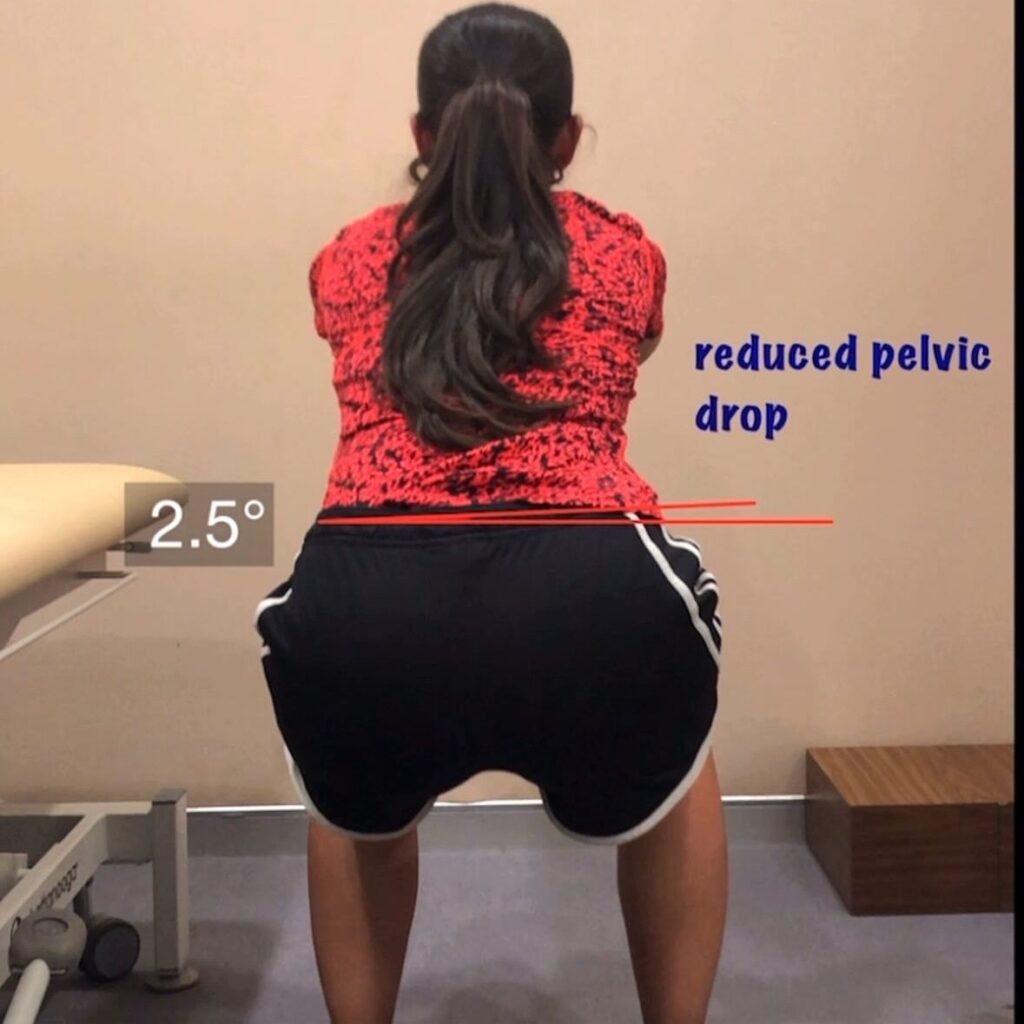
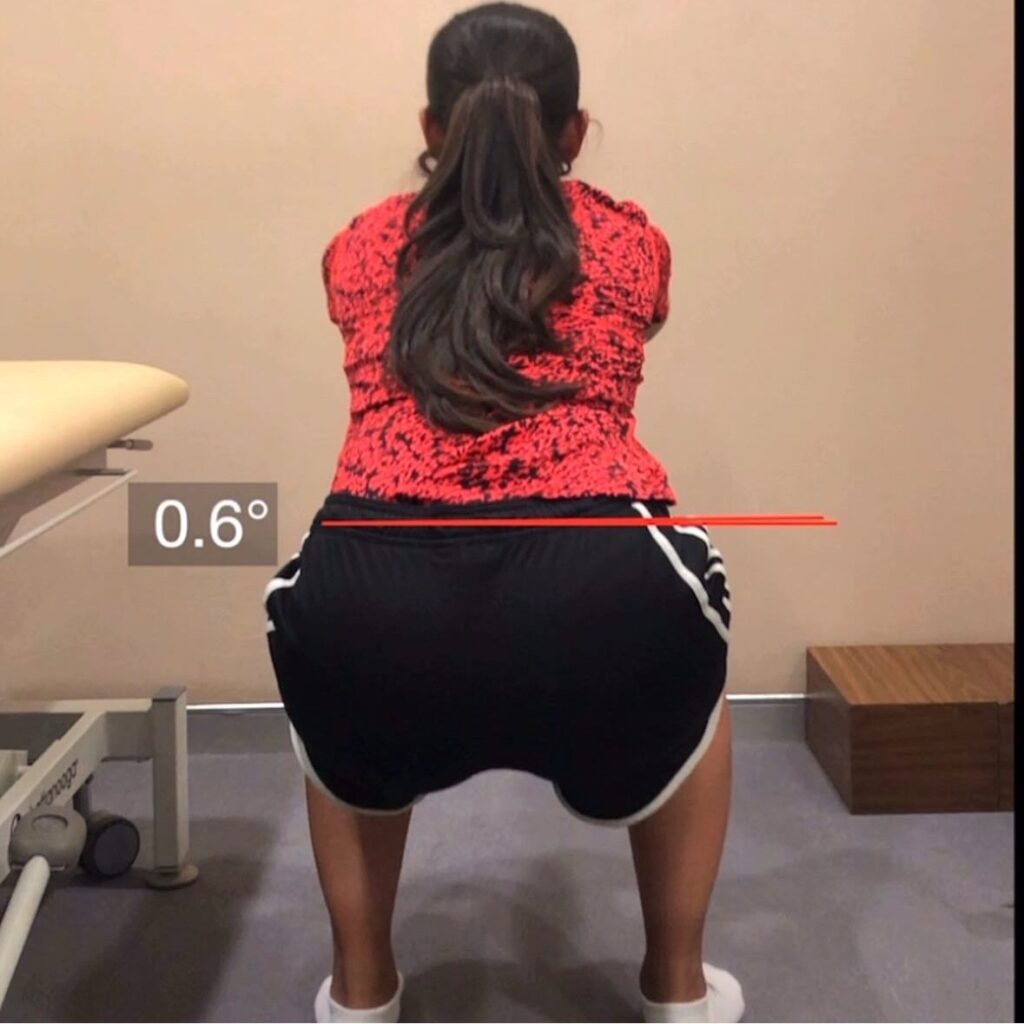
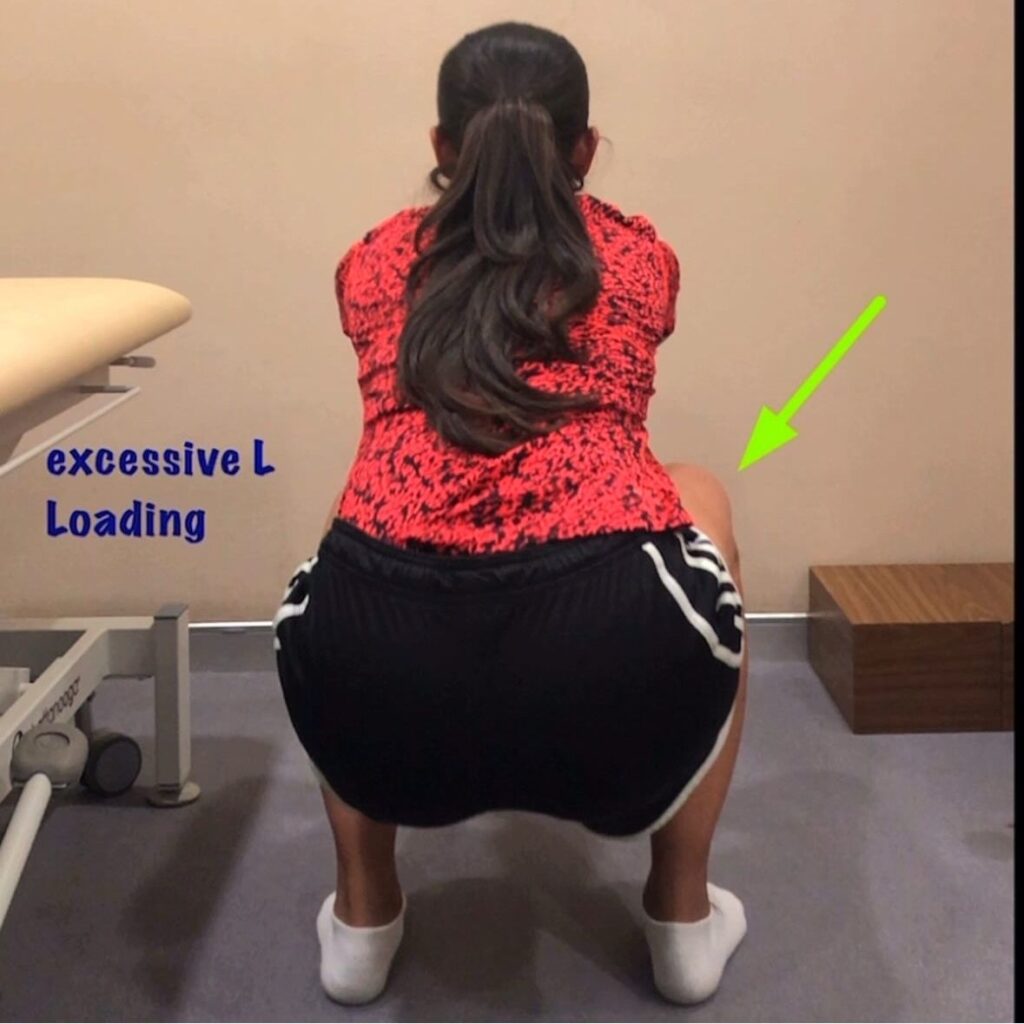
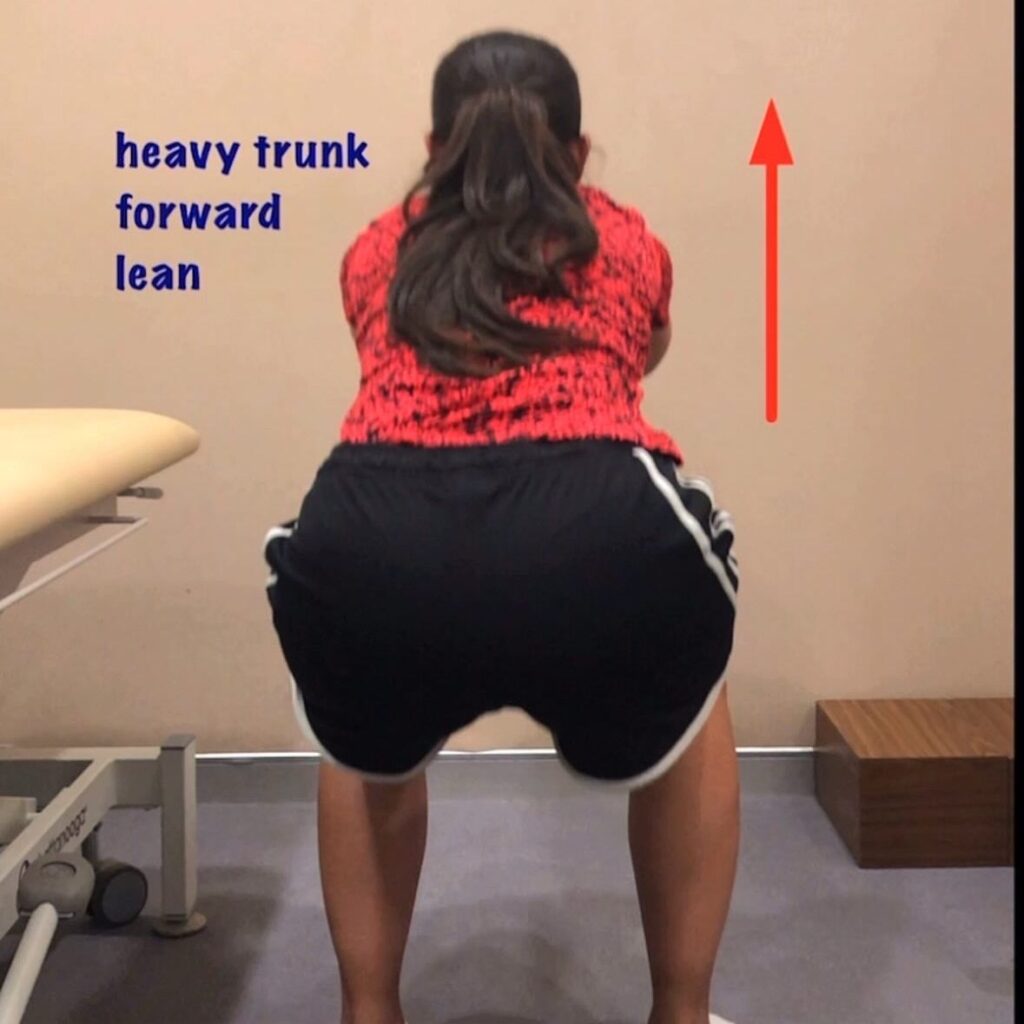
Basic Technique for a Safe Squat
- Stable Foundation: Feet must remain grounded and stable throughout the movement.
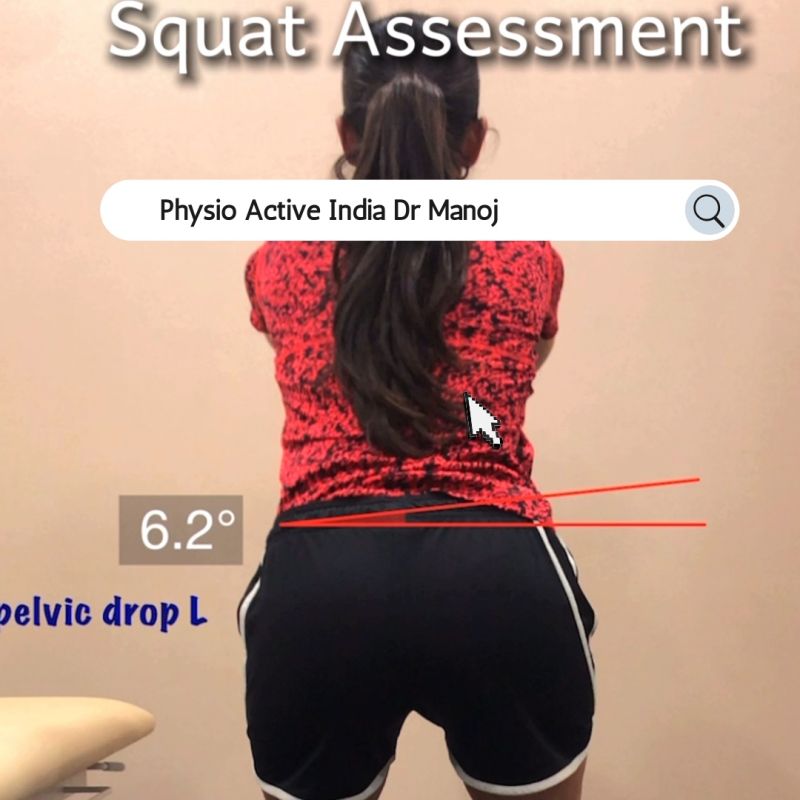
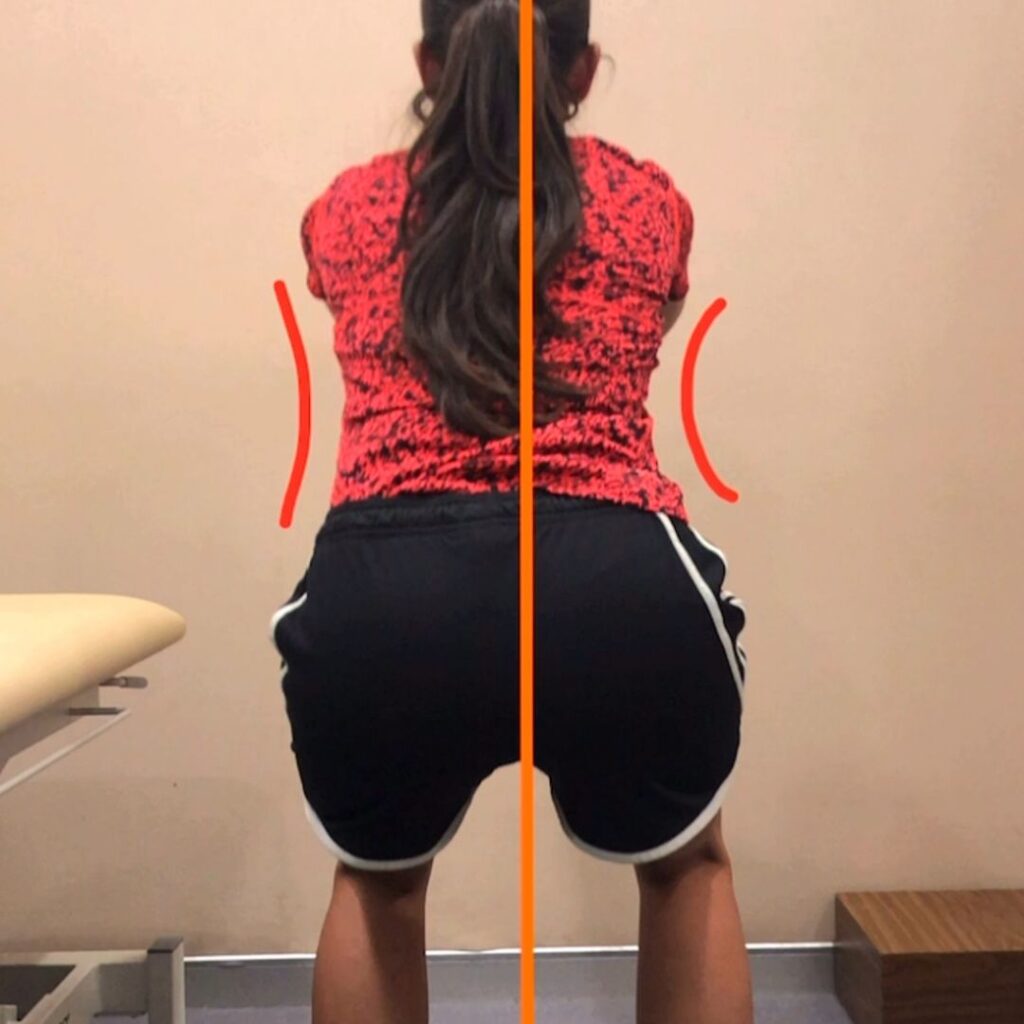
- Knee Alignment: Knees should track naturally over the toes. Avoid “knee valgus” (knees caving inward), which puts excessive stress on ligaments.
- Hip Mobility: Adequate hip flexion is crucial. Research in the Journal of Biomechanics shows that restricted hips force the lower back to compensate, increasing the risk of lumbar pain.
- Core Engagement: A neutral spine, supported by a braced core, distributes load safely and protects spinal discs.
Squats in Rehabilitation and Prevention
Commonly called the “King of Exercises,” the squat engages over 200 muscles. In a clinical setting, squat variations are used to:
- Restore joint control and neuromuscular coordination.
- Rebuild strength after injury, even for athletes.
- Diagnose hidden movement imbalances or compensation patterns.
Beyond the physical, the metabolic demand of squatting supports energy levels and stamina, while the release of endorphins builds mental resilience and confidence.
The Physio Perspective: Quality Over Quantity
At Physio Active India, we believe squat training is never one-size-fits-all. Your lifestyle, age, and injury history dictate your unique movement plan. Our approach is simple: Assessment first, correction second, and progressive strength building third. The goal isn’t just a better workout—it’s a more durable body, supported through expert BCA and guided care.
Frequently Asked Questions (FAQ)
1. Is it bad if my knees go past my toes during a squat?
For most people, it is perfectly safe and often necessary for a full range of motion. The key is ensuring your heels stay grounded and your knees don’t cave inward.
2. How do squats help with lower back pain?
Squats strengthen the glutes and core. When these muscles are strong, they take the “load” off your spine during daily activities like lifting groceries or picking up a child.
3. Can I do squats every day?
Yes. If you are doing bodyweight squats as a “movement break” from your desk, doing 10–15 repetitions daily is a great way to maintain joint health and circulation.
4. What if I can’t squat deep due to stiffness?
This is often due to tight ankles or hips. A physiotherapist can help identify the specific restriction and provide mobility drills to help you regain your natural range of motion.
5. Are squats better than lunges?
Both are excellent. However, the squat is more “functional” as it mimics the most common human movement: sitting down and standing back up.
Background: The topic discussed in this article draws reference from a post shared by Dr. DM Manoj on LinkedIn.
Start your journey to pain-free movement with Physio Active.